What to look for and why it matters
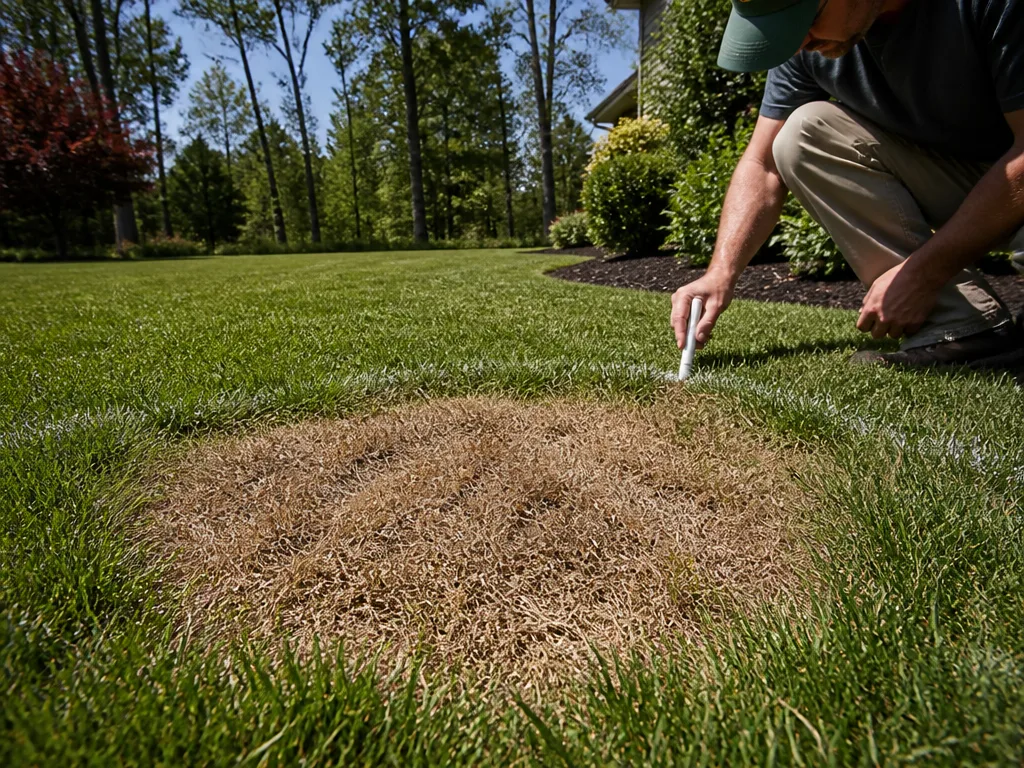
In Maryland yards, a brown patch often starts as a small, circular area that looks dry and unhealthy. The edges may be defined, with the center turning lighter or tan. You might notice a ring around the problem that seems alive with slower growth. This pattern can indicate several common causes, from moisture imbalance to soil compaction. Our team in Maryland sees these signs year round, but they tend to appear most after a hot stretch or after heavy rainfall followed by drought.
A quick check can help you decide the next step. Look at the color of the surrounding grass, the uniformity of the patch, and whether the soil feels hard or crusty to the touch. If the patch grows by a few inches each week or if new spots appear nearby, that points to a broader issue that warrants action from a lawn care specialist.
What Maryland homeowners should do now
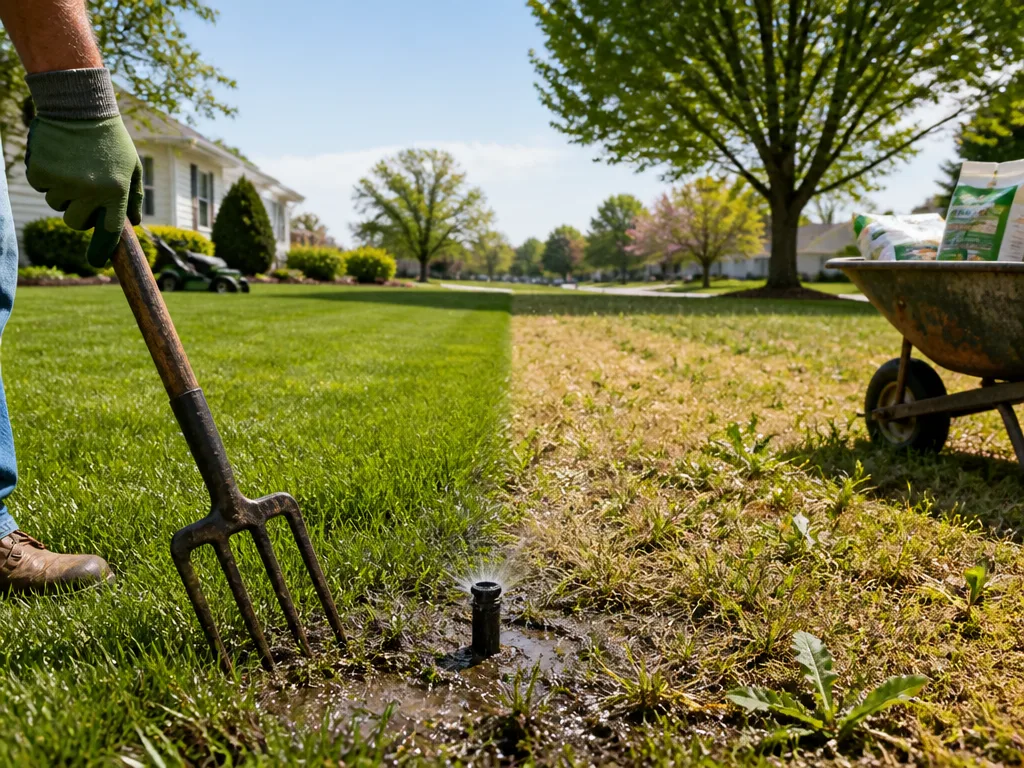
Begin with a light rake to lift dead material from the patch. If the soil is compacted, aeration is often the right move, especially on Maryland lawns with heavy clay soils. Our crews in Maryland regularly perform targeted aeration to relieve pressure and improve root growth for the whole yard. Keep the area lightly watered in the days after any soil disturbance to help new roots establish, but avoid soggy conditions.
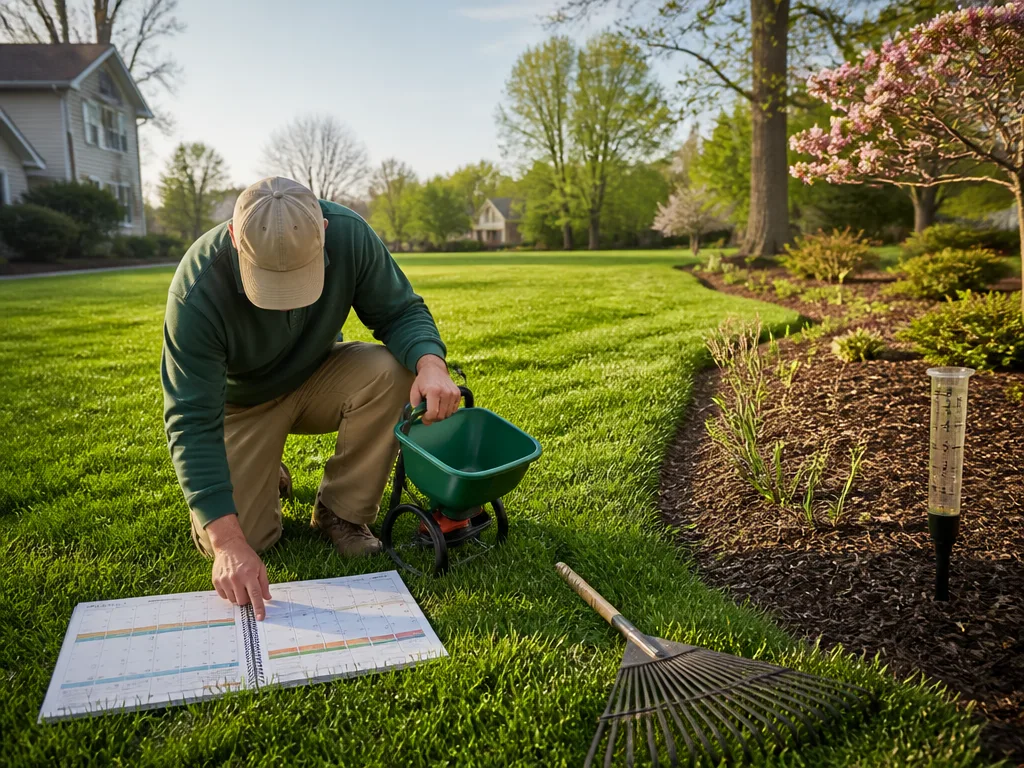
Choose a slow, steady schedule for maintenance rather than chasing quick fixes. A lawn care specialist can assess sun exposure, irrigation coverage, and soil texture to tailor a plan for your Maryland property. The goal is steady recovery, not a quick bandage that breaks down after the next hot spell.
When to call a lawn care specialist
If the patch spreads beyond a few feet in a week, or if several patches appear across different parts of your Maryland property, it’s time to bring in a pro. A specialist can perform soil tests, adjust irrigation timing, and recommend a care routine that fits your grass type and climate. Our Maryland Tree Surgeon crews are trained to diagnose patterns like this and map out a care plan that works for the whole season.
Bullet list: quick fixes worth trying now
- Avoid overwatering in the evening to reduce fungal risk.
- Keep mowing height appropriate for your grass type and season.
- Check irrigation heads for even coverage across the patch.