Know the difference between DIY limits and professional help
For Maryland yards, there are tasks you can handle with basic tools and steady routines. Simple mowing, thinning crowded areas, and adjusting irrigation can improve the look of a lawn without waiting for a pro. But some situations benefit from professional assessment to protect the grass across Maryland’s varying climates and soil types.
When you notice gradual decline in color or density, or if a single problem keeps returning, a fresh pair of eyes from a lawn care specialist can save time and avoid wasted effort. In Maryland, a statewide crew brings experience with different soil textures, from sandy soils near the coast to heavier clays inland.
DIY checks you can perform this season
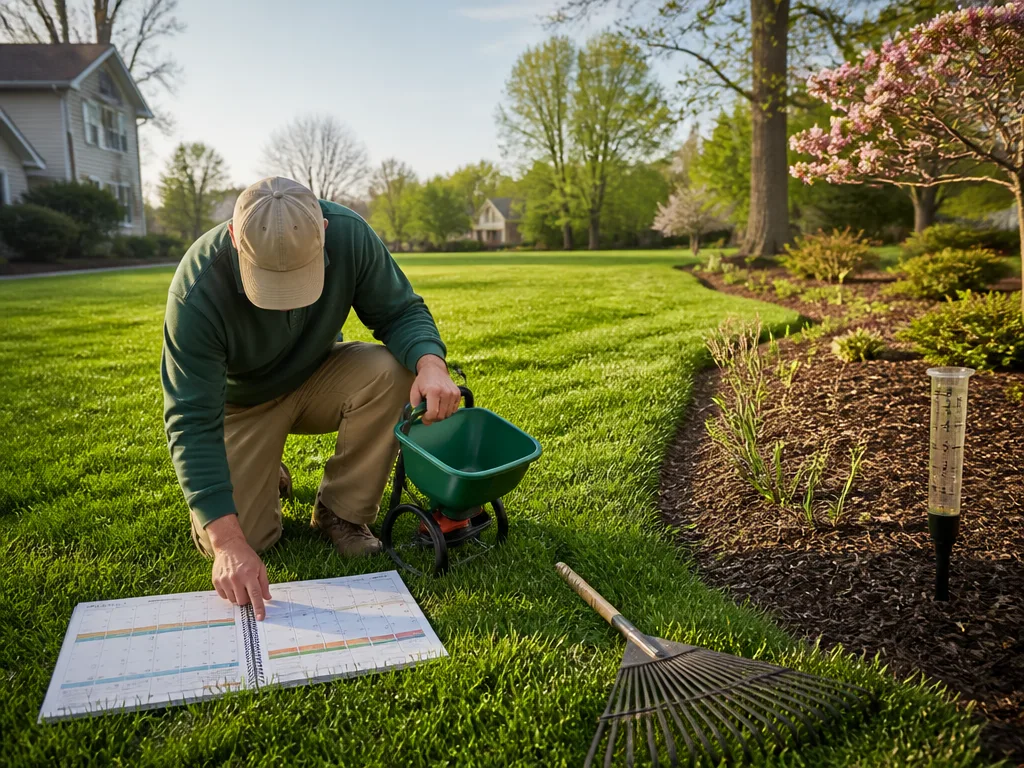
Start with a simple soil test to gauge pH and nutrient status. If your test is off, feeding in the wrong amounts can do more harm than good. Wash and inspect your mower blades, ensure proper mowing height for the grass type, and confirm your irrigation schedule covers the entire yard evenly. These steps often help homeowners see noticeable improvements without professional help.
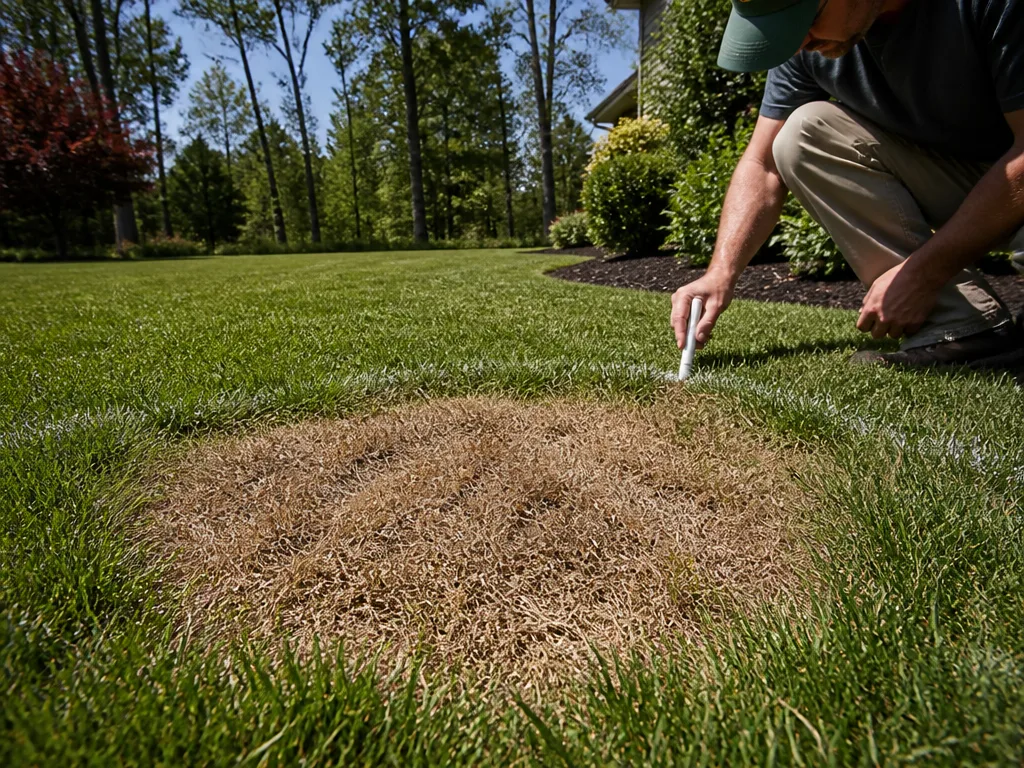
Keep an eye on disease or unusual growth patterns. A growing patch that changes color or shape over a few weeks is a sign to pause and call a lawn care specialist. Maryland crews have the know-how to interpret these signals and tailor a plan that respects the local climate and soil conditions.
When calling a pro makes sense
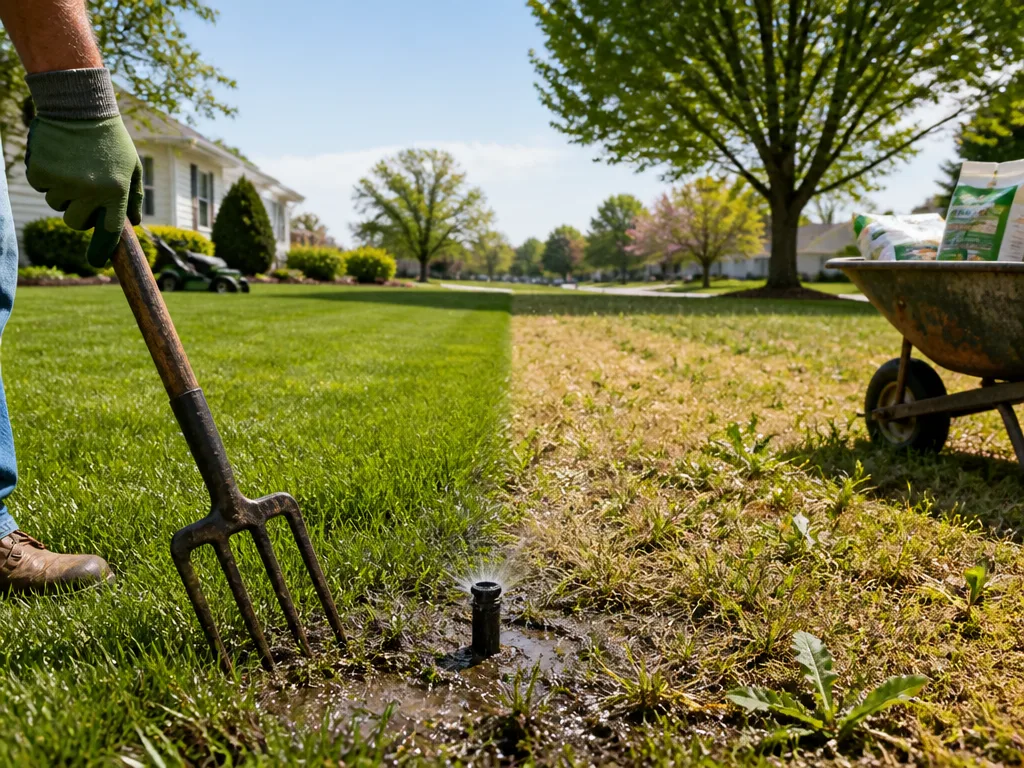
If you’re dealing with widespread thinning, persistent color loss after seasonal changes, or recurring pests and weed issues across Maryland, a pro can diagnose root causes and apply a balanced treatment plan. Our team at Maryland Tree Surgeon works statewide to map out care that keeps your lawn healthy year after year.
Practical steps before a visit
- Prepare a note of symptoms, dates you noticed them, and any recent weather changes.
- Share irrigation schedules and fertilization history with the lawn care specialist.
- Take photos showing the gradient from healthy turf to problem areas.